Published: · Last edited:
What Causes Bad Breath? Common Causes, Treatments, and Effective Prevention Methods
Bad breath is a common oral health concern that affects people of different ages and backgrounds. Although occasional unpleasant breath is usually temporary, persistent bad breath can influence social interactions, personal confidence, and overall quality of life.
Many people experience bad breath after waking up, eating certain foods, or going without water for several hours. However, when unpleasant breath continues throughout the day despite regular brushing, it may indicate an underlying oral health problem.
What causes bad breath? The most common causes include poor oral hygiene, bacterial buildup on the tongue, gum disease, tooth decay, and dry mouth. In some cases, certain medical conditions, medications, dietary habits, or respiratory problems may also contribute to unpleasant breath.
Bad breath, medically known as halitosis, is often associated with the activity of bacteria inside the mouth. These bacteria break down food particles and organic substances, producing compounds that can create noticeable odors.
Understanding the underlying cause is essential for identifying the most appropriate treatment.
At Every Dent, we believe that patient education plays an important role in maintaining healthy teeth and gums. In this comprehensive guide, we explain what causes bad breath, why it may persist even after brushing, how to manage it effectively, and when professional dental care may be necessary.
What Is Bad Breath (Halitosis)?
Bad breath, also called halitosis, is a condition characterized by unpleasant odors coming from the mouth or exhaled air.
It can be temporary or persistent, depending on the underlying cause.
Temporary bad breath often develops after consuming certain foods, waking up in the morning, or experiencing temporary dry mouth.
Persistent halitosis, however, may be associated with dental conditions such as gum disease, tooth decay, or bacterial accumulation.
The mouth naturally contains a complex community of microorganisms. Many of these bacteria are harmless and form part of the normal oral environment.
However, certain bacteria break down proteins and other organic materials, releasing volatile sulfur compounds.
These compounds can produce unpleasant odors.
Bacterial activity is particularly common in areas where food debris and plaque accumulate, including:
- The spaces between teeth.
- The back of the tongue.
- Gum pockets.
- Areas around poorly fitting dental restorations.
- Regions affected by tooth decay.
Maintaining proper oral hygiene helps control bacterial accumulation and may reduce the risk of developing bad breath.
What Causes Bad Breath?
What causes bad breath? There is no single answer because several factors can contribute to unpleasant breath.
Most cases originate inside the mouth, making dental health an important starting point for identifying the problem.
Below are some of the most common causes of bad breath.
1. Poor Oral Hygiene
Poor oral hygiene is one of the leading causes of bad breath.
When teeth are not brushed regularly, food particles and bacterial plaque accumulate on tooth surfaces and between teeth.
Bacteria break down these particles, producing substances that may cause unpleasant odors.
Inadequate cleaning may also contribute to gum inflammation and tooth decay, both of which can worsen bad breath.
Brushing alone may not remove all plaque and food debris, particularly between teeth.
For this reason, interdental cleaning with dental floss or suitable interdental brushes is an important part of daily oral care.
2. Bacterial Buildup on the Tongue
When patients ask what causes bad breath, bacterial accumulation on the tongue is one of the most important factors to consider.
The tongue has a textured surface containing small structures called papillae.
These structures create areas where bacteria, food particles, and dead cells may accumulate.
The back of the tongue is particularly associated with the production of odor-causing compounds.
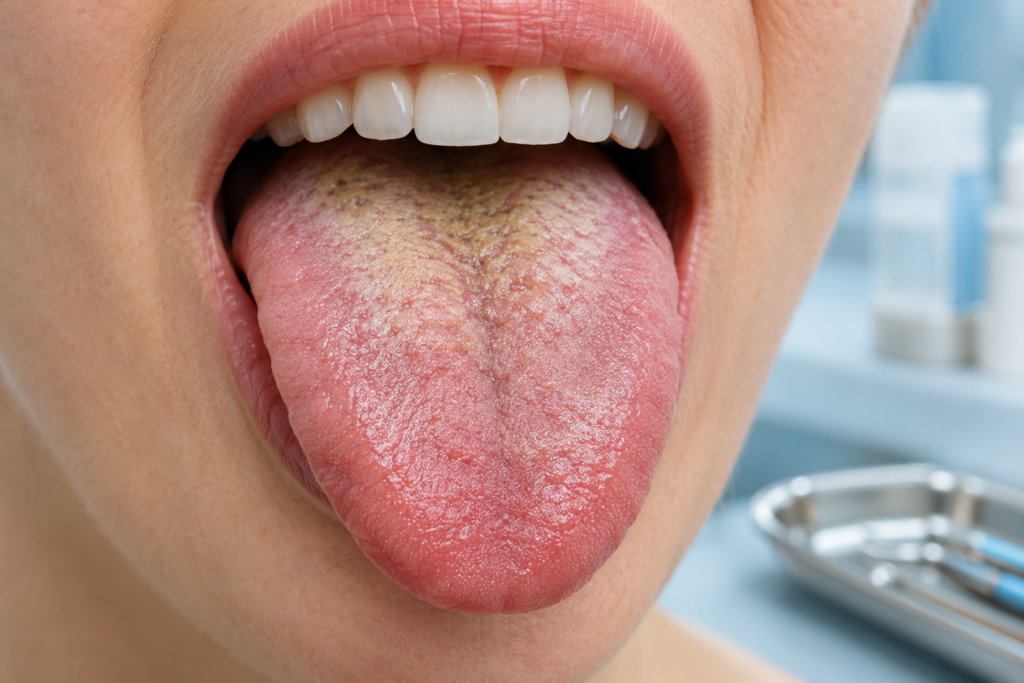
Some individuals develop a visible white or yellowish coating on the tongue.
Although tongue coating may contribute to bad breath, its appearance alone does not confirm the cause.
Gentle tongue cleaning with an appropriate tongue scraper or toothbrush may help reduce bacterial accumulation.
However, excessive scraping should be avoided because it can irritate the tongue.
3. Gum Disease
Gum disease is another important cause of persistent bad breath.
Gingivitis, the early stage of gum disease, develops when bacterial plaque accumulates around the gumline and causes inflammation.
Common symptoms include:
- Red or swollen gums.
- Bleeding during brushing.
- Gum tenderness.
- Persistent bad breath.
- An unpleasant taste in the mouth.
If gum inflammation progresses, some patients may develop periodontitis.
Periodontitis affects the tissues and bone supporting the teeth.
In advanced cases, periodontal pockets can provide areas where bacteria accumulate, contributing to unpleasant breath.
Treatment may involve professional cleaning, periodontal therapy, and improvements in daily oral hygiene.
Mouthwash alone cannot replace the treatment of underlying gum disease.
4. Tooth Decay and Dental Infections
Tooth decay can contribute to bad breath, especially when cavities allow food particles and bacteria to accumulate.
As dental decay progresses, deeper areas of the tooth may become affected.
In some cases, infection can develop within or around the tooth.
Dental infections may be associated with:
- Tooth pain.
- Swelling around the affected tooth.
- Sensitivity to hot or cold temperatures.
- An unpleasant taste.
- Persistent bad breath.
The appropriate treatment depends on the severity of the dental problem.
Options may include fillings, root canal treatment, or other dental procedures.
A professional examination is necessary to determine the most suitable approach.
5. Dry Mouth (Xerostomia)
Dry mouth is a common contributing factor to unpleasant breath.
Saliva plays an essential role in maintaining oral health.
It helps wash away food debris, supports a balanced oral environment, and contributes to the natural cleaning of the mouth.
When saliva production decreases, odor-producing substances may accumulate more easily.
Common causes of dry mouth include:
- Inadequate fluid intake.
- Mouth breathing.
- Certain medications.
- Salivary gland disorders.
- Some systemic health conditions.
- Reduced saliva production during sleep.
Persistent dry mouth should be evaluated because it can also increase the risk of tooth decay and other oral health problems.
Patients should never stop prescribed medications without consulting their healthcare provider.
6. Smoking and Tobacco Use
Tobacco use is strongly associated with unpleasant breath and poor oral health.
Smoking can leave noticeable odors in the mouth and may contribute to dry mouth.
It is also an important risk factor for periodontal disease.
Because gum disease itself can cause bad breath, tobacco use may influence breath odor through multiple mechanisms.
Avoiding tobacco products supports both oral and general health.
7. Certain Foods and Beverages
Some foods contain strong-smelling compounds that may temporarily affect breath.
Common examples include:
- Garlic.
- Onions.
- Certain spices.
- Coffee.
- Alcoholic beverages.
After consuming foods such as garlic or onions, some odor-producing compounds may enter the bloodstream and later be released through exhaled air.
As a result, brushing may not immediately eliminate all food-related breath odors.
Coffee and alcohol may also contribute to dry mouth in some individuals.
These effects are usually temporary.
What Causes Bad Breath From the Stomach?
Many people assume that persistent bad breath originates from the stomach.
However, most cases are associated with conditions inside the mouth rather than digestive problems.
Nevertheless, certain gastrointestinal conditions may contribute to unpleasant breath in some patients.
Gastroesophageal Reflux Disease (GERD)
Gastroesophageal reflux occurs when stomach contents flow backward into the esophagus.
Symptoms may include:
- Heartburn.
- A sour taste in the mouth.
- Regurgitation.
- Discomfort after eating.
- Occasional unpleasant breath.
However, bad breath alone is not sufficient to diagnose reflux disease.
When investigating what causes bad breath, dental and oral health conditions should generally be evaluated before assuming that the problem originates from the stomach.
If digestive symptoms are present, medical assessment may also be appropriate.
What Causes Bad Breath in the Morning?
Morning breath is a common experience and does not necessarily indicate a dental disease.
During sleep, saliva production naturally decreases.
Since saliva helps remove food particles and bacteria, reduced saliva flow allows odor-producing substances to accumulate.
Mouth breathing and snoring may also contribute to morning dryness.
Morning breath often improves after:
- Drinking water.
- Eating breakfast.
- Brushing the teeth.
- Cleaning the tongue.
However, if unpleasant breath continues throughout the day, further evaluation may be necessary.
Why Does Bad Breath Persist Even After Brushing?
A common concern among patients is why their breath remains unpleasant despite brushing regularly.
What causes bad breath even after brushing?
Brushing is important, but it does not address every possible cause.
Persistent bad breath may result from:
- Bacteria remaining on the tongue.
- Plaque trapped between teeth.
- Untreated gum disease.
- Dental cavities.
- Dry mouth.
- Tonsil stones.
- Certain nasal or sinus conditions.
- Problems around dental restorations.
Some patients also brush frequently but do not clean between their teeth.

In these cases, bacteria may continue to accumulate in areas that a toothbrush cannot easily reach.
If bad breath persists despite careful daily oral hygiene, a dental examination can help identify potential causes.
Which Medical Conditions Can Cause Bad Breath?
Although most cases of bad breath originate in the mouth, certain medical conditions may influence breath odor.
Sinus Problems and Respiratory Conditions
Sinus infections and certain upper respiratory conditions may contribute to unpleasant breath.
Nasal congestion and mouth breathing can also increase oral dryness.
Tonsil Stones
Tonsil stones are small deposits that may form in the crevices of the tonsils.
They can trap bacteria and other materials that contribute to unpleasant odors.
Patients experiencing recurring tonsil stones may benefit from an ear, nose, and throat evaluation.
Diabetes
Certain serious complications of uncontrolled diabetes may cause a fruity or acetone-like breath odor.
This may be associated with diabetic ketoacidosis, a potentially life-threatening medical condition.
A person with diabetes who develops fruity-smelling breath together with vomiting, abdominal pain, rapid or deep breathing, or confusion requires emergency medical assessment.
Kidney and Liver Conditions
Some advanced kidney or liver diseases may produce changes in breath odor.
However, bad breath by itself cannot establish the presence of these conditions.
Medical history, clinical examination, and appropriate testing are required.
How to Get Rid of Bad Breath
People frequently search for how to get rid of bad breath because unpleasant breath can affect their daily confidence and comfort.
The most effective approach depends on identifying the cause.
If the problem results from poor oral hygiene, improved daily care may help.
If gum disease or dental infection is responsible, professional treatment may be necessary.
Brush Your Teeth Regularly
Brushing at least twice daily with fluoride toothpaste is an essential part of oral hygiene.
Each brushing session should generally last about two minutes.
Careful attention should be given to all tooth surfaces and the gumline.
Clean Between Your Teeth
Dental floss and interdental brushes help remove plaque and food debris from areas that ordinary toothbrushes may not reach.
Daily interdental cleaning supports gum health and may reduce bacterial accumulation.
Clean Your Tongue Gently
Tongue cleaning may reduce odor-producing bacteria and accumulated debris.
An appropriate tongue scraper can be used gently, particularly toward the back of the tongue.
Avoid excessive pressure or aggressive scraping.
Stay Hydrated
Drinking sufficient water may help reduce temporary dry mouth.
However, if dry mouth is persistent, professional evaluation may be necessary to identify the cause.
Consider Sugar-Free Gum
Chewing sugar-free gum may stimulate saliva flow and provide temporary relief from dry mouth.
It does not replace brushing, interdental cleaning, or professional dental treatment.
Avoid Tobacco Products
Quitting smoking can improve overall oral health and reduce several factors that contribute to unpleasant breath.
Attend Regular Dental Appointments
Dental examinations allow professionals to identify problems such as tooth decay, plaque accumulation, and gum disease.
Professional care can help address the underlying causes rather than simply masking unpleasant odors.
What Is the Best Treatment for Bad Breath?
Bad breath treatment should be based on the underlying diagnosis.
There is no single treatment that works for every patient.
Professional Dental Cleaning
Professional dental cleaning may be recommended when plaque and tartar accumulation contribute to gum inflammation or unpleasant breath.
Removing these deposits helps support healthier gums and improved oral hygiene.
Periodontal Treatment
Patients with gum disease may require periodontal treatment.
Depending on the condition, treatment may include professional cleaning, scaling and root planing, or other periodontal procedures.
Treatment of Cavities
If dental decay contributes to bad breath, restorative treatment may be necessary.
Treating affected teeth helps address areas where bacteria and food debris can accumulate.
Treatment of Dental Infections
When dental infections are present, the appropriate treatment depends on the affected tooth and surrounding tissues.
Possible procedures include root canal therapy or extraction when clinically necessary.
Management of Dry Mouth
For patients with chronic dry mouth, treatment may involve reviewing medications, identifying underlying conditions, and recommending suitable saliva-supporting strategies.
Medical Referral
If an oral cause cannot be identified, the dentist may recommend consultation with another healthcare professional.
Depending on symptoms, this may involve an ear, nose, and throat specialist or another relevant medical provider.
How to Prevent Bad Breath
Prevention is an important part of maintaining fresh breath and healthy oral tissues.
Although some temporary breath odors cannot be completely avoided, consistent oral hygiene can reduce many common causes.
Establish a Daily Oral Hygiene Routine
A practical routine includes:
- Brushing with fluoride toothpaste twice daily.
- Cleaning between the teeth every day.
- Gently cleaning the tongue when appropriate.
- Drinking sufficient water.
- Avoiding tobacco products.
- Maintaining regular dental examinations.
Consistency is more important than relying on occasional intensive cleaning.
Maintain Healthy Eating Habits
A balanced diet supports general health.
Limiting frequent sugary snacks can also help reduce the risk of dental decay.
Patients who notice that particular foods cause temporary breath odors may choose to adjust when they consume them.
Be Careful With Mouthwash
Some mouthwashes may temporarily reduce odor or help control certain oral bacteria.
However, products that only mask unpleasant breath do not treat underlying dental disease.
Mouthwash selection should be based on individual oral health needs and professional advice when necessary.
When Should You See a Dentist for Bad Breath?
Occasional bad breath is common.
However, persistent unpleasant breath may require dental evaluation.
Consider scheduling an appointment if you experience:
- Bad breath lasting several weeks despite good oral hygiene.
- Bleeding gums.
- Persistent unpleasant taste.
- Tooth pain or sensitivity.
- Loose teeth.
- Gum swelling.
- Persistent dry mouth.
- Problems around dental restorations.
If mouth or facial swelling is accompanied by fever, difficulty swallowing, or breathing problems, urgent medical attention may be necessary.
Frequently Asked Questions About Bad Breath
What Causes Bad Breath Most Commonly?
The most common causes include bacterial accumulation on the tongue, inadequate oral hygiene, and gum disease. Dental cavities and dry mouth may also contribute.
What Causes Bad Breath All the Time?
Chronic bad breath may be associated with persistent gum disease, bacterial buildup, tooth decay, or dry mouth. Less commonly, upper respiratory or systemic conditions may be involved.
Can Bad Breath Come From the Stomach?
Some gastrointestinal conditions, including acid reflux, may contribute to unpleasant breath. However, most cases originate inside the mouth.
Why Does My Breath Smell Even After Brushing?
Persistent bad breath after brushing may result from plaque between teeth, tongue bacteria, gum disease, or dry mouth. A dental examination may be necessary if symptoms continue.
Does Dental Tartar Cause Bad Breath?
Dental tartar can contribute to plaque retention and gum inflammation, which may be associated with unpleasant breath. Professional cleaning may be required.
Can Fasting Cause Bad Breath?
Yes. Prolonged fasting may affect saliva production and metabolic processes, resulting in changes in breath odor.
Does Drinking Water Help Bad Breath?
Drinking water can help reduce temporary dry mouth and may improve breath freshness. However, hydration alone does not treat dental infections or gum disease.
Can Children Have Bad Breath?
Yes. Children may experience bad breath due to inadequate oral hygiene, tooth decay, dry mouth, mouth breathing, or certain respiratory conditions.
Persistent symptoms should be assessed by an appropriate healthcare professional.
Is Bad Breath Contagious?
Bad breath itself is not a contagious disease. However, some infections associated with unpleasant breath may involve microorganisms that can spread between individuals.

Can Bad Breath Be Cured Permanently?
The outcome depends on the cause.
Bad breath associated with treatable dental problems may improve significantly after appropriate treatment and consistent oral hygiene.
Some chronic conditions require ongoing management.
Which Doctor Should I See for Bad Breath?
A dentist is often an appropriate first point of contact because many causes originate inside the mouth.
If no oral cause is found, referral to another healthcare professional may be recommended.
How Often Should I Visit the Dentist to Prevent Bad Breath?
The appropriate examination interval depends on individual risk factors, oral health, and existing dental conditions.
Your dentist can recommend a suitable recall schedule.
Understanding and Managing Bad Breath at Every Dent
What causes bad breath? In many cases, the answer involves bacterial accumulation, poor oral hygiene, gum disease, tooth decay, or dry mouth.
However, persistent unpleasant breath may have several contributing factors, and identifying the underlying cause is essential for effective management.
Regular brushing, interdental cleaning, tongue hygiene, and professional dental care can help maintain a healthier oral environment.
Rather than relying solely on temporary breath-freshening products, individuals experiencing chronic halitosis should seek appropriate assessment.
At Every Dent, we aim to help patients better understand dental health conditions, preventive care, and available treatment approaches.
If you are experiencing persistent bad breath, contact Every Dent to learn more about dental evaluation and suitable oral healthcare options.
Maintaining healthy teeth and gums is an important step toward fresher breath, greater confidence, and long-term oral health.
Medical Disclaimer: This article is provided for general educational purposes only. It does not replace professional dental diagnosis, examination, or personalized medical advice. Individuals experiencing persistent bad breath should consult a qualified dental professional.